
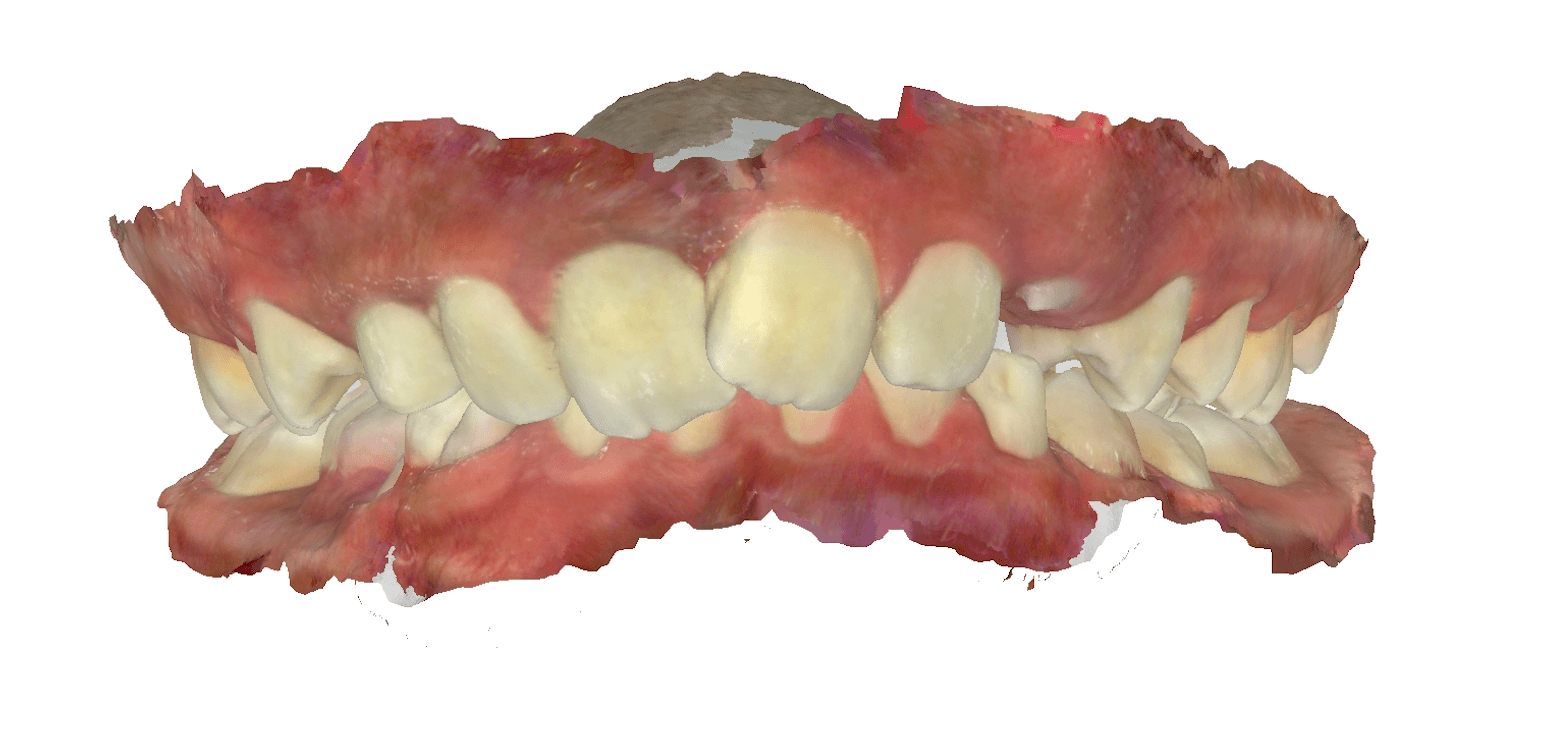
A deep bite, also known as a deep overbite, is a common dental condition where the upper front teeth excessively overlap the lower front teeth when biting down. While some overbite is normal, a deep bite can lead to various dental and jaw problems if left untreated. Fortunately, orthodontic treatment can help correct this issue, improving both function and aesthetics.
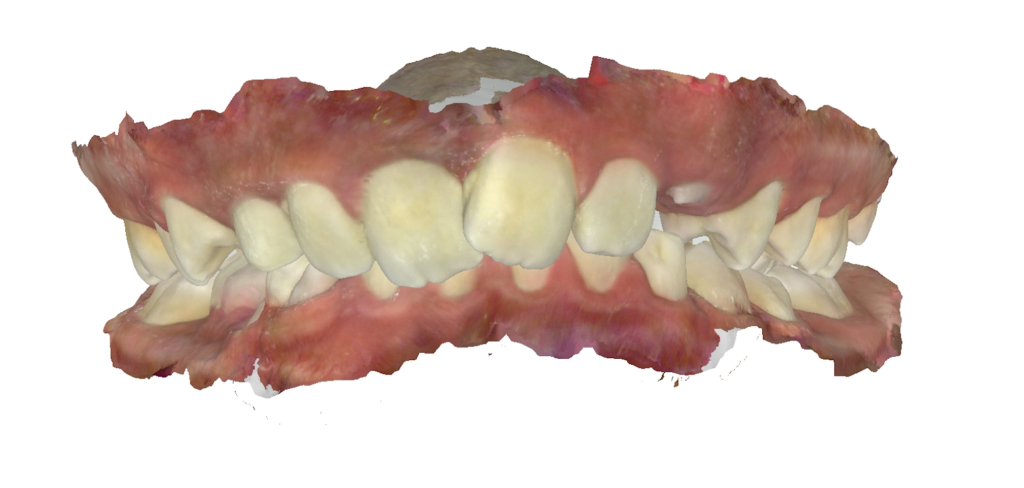
What Causes a Deep Bite?
Several factors contribute to the development of a deep bite, including:
- Genetics – Inherited jaw and teeth structure can lead to excessive vertical overlap.
- Over-eruption of Front Teeth – If the upper front teeth grow too long or the lower front teeth don’t erupt fully, it can create a deep bite.
- Small Lower Jaw – A smaller or underdeveloped lower jaw can lead to a deep bite as the upper teeth sit further down.
- Tooth Loss or Wear – Missing teeth or excessive wear on the back teeth can reduce vertical height, worsening a deep bite.
- Oral Habits – Prolonged thumb sucking, nail-biting, or tongue thrusting can influence bite development.
Why Should a Deep Bite Be Treated?
If untreated, a deep bite can cause several problems, including:
- Tooth Wear and Damage – The lower front teeth may constantly hit the upper front teeth or the roof of the mouth, leading to excessive wear, fractures, or gum recession.
- Jaw Pain and TMJ Issues – Misalignment can put strain on the jaw joints (TMJ), leading to pain, headaches, and difficulty chewing.
- Gum Trauma – The lower teeth may press into the soft tissue behind the upper teeth, causing irritation and gum recession.
- Speech Difficulties – A deep bite can affect tongue positioning and lead to speech impediments.
- Aesthetic Concerns – Excessive overlap of teeth can impact the appearance of the smile and facial profile.
How Can Orthodontics Correct a Deep Bite?
Orthodontic treatment is essential to correcting a deep bite and preventing long-term damage. The approach varies based on the severity of the bite and age of the patient.
1. Braces or Clear Aligners
Braces (traditional or LightForce) and clear aligners (Invisalign or Angel Aligners) can help reposition the teeth to reduce the overlap. Bite-opening mechanics are used to level the teeth properly.
2. Bite Plates or Bite Turbos
These small orthodontic appliances help separate the bite and encourage proper jaw alignment.
3. Growth Modification (for Children and Teens)
For growing patients, orthodontists may use functional appliances to guide jaw development and prevent worsening of the deep bite.
4. Tooth Reshaping or Build-Ups
In some cases, minor reshaping of teeth or adding bonding material can help balance the bite.
5. Surgical Orthodontics (Severe Cases)
In adults with severe deep bites related to jaw discrepancies, orthognathic surgery may be necessary to reposition the jaws.
Early Intervention is Key
The sooner a deep bite is addressed, the easier it is to correct. Children and teens can benefit from early orthodontic assessment to guide proper jaw growth. Adults can also see significant improvements with braces, aligners, or other corrective methods.
At Broadbeach Orthodontics, we provide expert care to help patients of all ages achieve a healthy, functional, and confident smile. If you’re concerned about a deep bite, book a consultation with us today.

Breaking Oral Habits: How Habit-Breaking Appliances Help Kids
Recommended For You
Happy Easter from Broadbeach Orthodontics: Tips to Avoid Breakages
Easter is a time to relax, celebrate with family, and enjoy a few treats. At Broadbeach Orthodontics, we…
Smile Transformation at Broadbeach Orthodontics
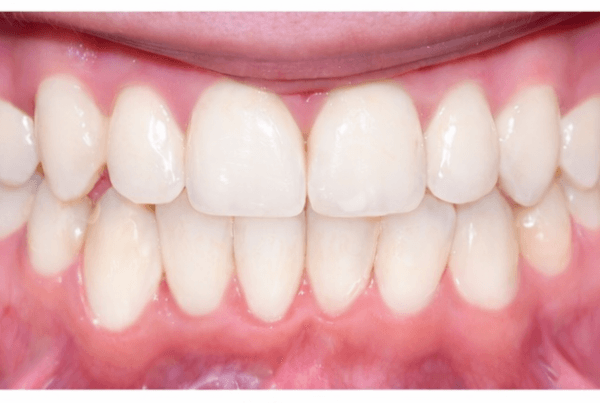
Another great result from the team at Broadbeach Orthodontics. This case shows the impact of comprehensive orthodontic treatment…
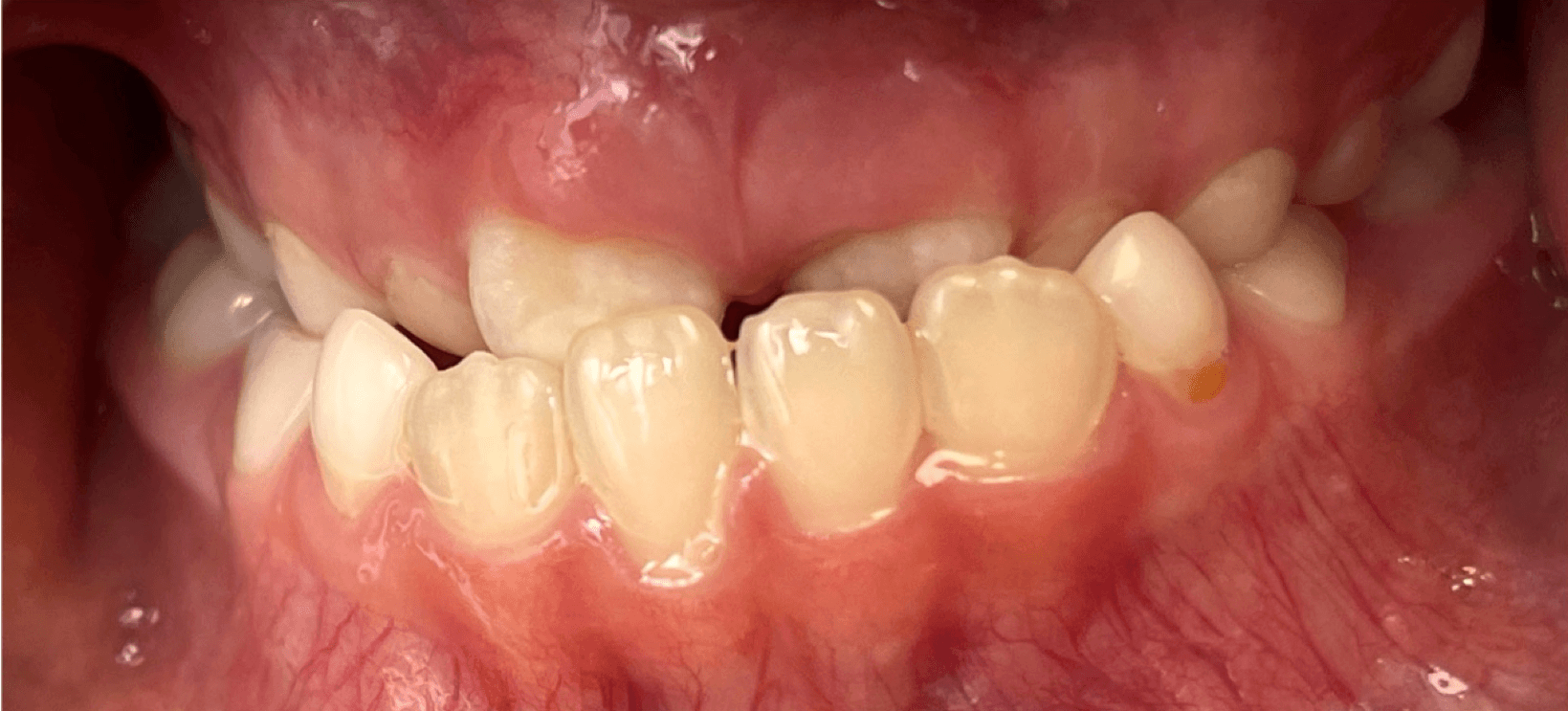
Underbite in kids: Why Timing Matters for Growing Smiles
When it comes to orthodontics, timing can play a critical role—especially for children with a Class III malocclusion…