
When Is the Best Time to Treat an Overbite (Overjet)?
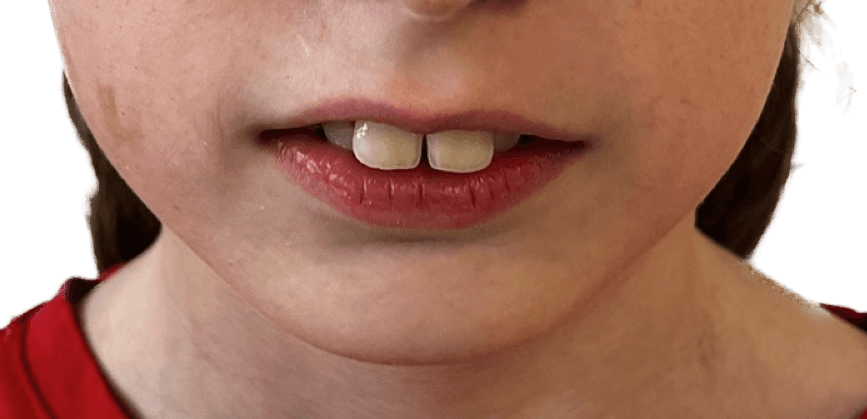
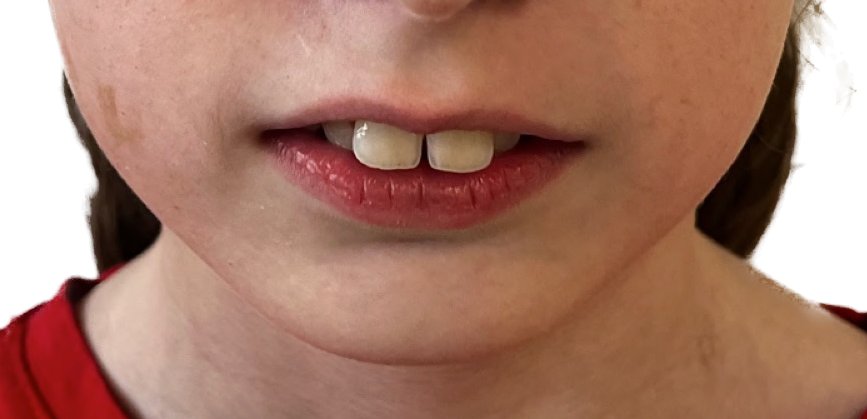
An overbite—or more accurately, an overjet—occurs when the upper front teeth protrude significantly beyond the lower front teeth. It’s one of the most common reasons people seek orthodontic treatment. But when is the right time to treat an overbite? Should intervention begin early in childhood, or is it better to wait until the teenage years when all permanent teeth have erupted?
The answer lies in balancing growth potential, treatment effectiveness, and the patient’s individual needs. Let’s explore the evidence.
What Causes an Overjet?
An overjet also commonly called an overbite, can result from:
- A skeletal discrepancy (e.g., a small lower jaw or large upper jaw)
- Thumb sucking or pacifier use beyond early childhood
- Lower lip trap
- Tongue thrusting
- Genetics, which influence jaw size and alignment
Treatment of an overbite usually involves orthodontic appliances such as braces or functional appliances, and in severe cases, even jaw surgery.
Two Phases of Orthodontic Treatment: A Common Approach
Orthodontists often divide treatment timing into two main strategies:
- Early (Phase I) treatment: Typically begins around age 7–9, during the mixed dentition phase (a mix of baby and adult teeth).
- Later (Phase II) treatment: Starts in adolescence, usually after most or all permanent teeth have erupted (ages 11–14).
What Does the Evidence Say for timing of treatment of an overbite?
1. Early vs. Late Treatment: Is Earlier Always Better?
A landmark systematic review and Cochrane analysis (O’Brien et al., 2003; Thiruvenkatachari et al., 2013) compared early versus late treatment of class II malocclusion (which includes overjet). Key findings:
- Early treatment reduces the risk of dental trauma to protruding front teeth. Children with overjets greater than 6 mm have a 2–3 times greater risk of injury.
- Long-term differences in final outcomes (i.e., bite correction, need for extractions, facial profile) were minimal between early and late treatment groups.
- Total treatment time was longer with early treatment, as it typically requires two phases.
2. When Is Early Treatment Recommended?
Early treatment is most beneficial when:
- The overjet is severe (>6 mm) and there’s a high risk of trauma (especially in active children).
- There is significant psychosocial distress, teasing, or self-esteem issues.
- Functional issues like speech difficulties or problems closing the lips (lip incompetence) are present.
- There’s a habitual cause, such as thumb sucking, that needs early intervention.
In these cases, functional appliances like Twin Block, Bionator, headgear, Angel align A6 Mandibular advancement can guide jaw growth and reduce overjet before adolescence.
Benefits of Later (Adolescent) Treatment
- Adolescents have full permanent dentition, allowing for comprehensive correction in one phase.
- Treatment timing can coincide with pubertal growth spurts, which can be harnessed to correct jaw discrepancies. Appliances include a Herbst appliance, Forsus springs, elastics or dental extractions.
- Fewer appointments and less total time in braces or appliances than two-phase treatment.
- Evidence shows comparable end results to early treatment in many cases.
Key Takeaway: Tailor Treatment to the Patient
There’s no one-size-fits-all answer, but here’s a simple guide:
| Overjet Severity | Trauma Risk | Psychosocial Impact | Recommended Timing |
|---|---|---|---|
| Mild (<4 mm) | Low | Low | Monitor, treat later |
| Moderate (4–6 mm) | Moderate | Moderate | Consider early intervention |
| Severe (>6 mm) | High | High | Early treatment often beneficial |
Conclusion
The best time to treat an overbite (overjet) depends on multiple factors. While early treatment can reduce trauma risk and address emotional concerns, many children do just as well when treated during adolescence. The current consensus in orthodontics is that early treatment should be considered when there are compelling reasons, but routine early intervention for all overjets is not necessary.
Ultimately, a personalised evaluation by an orthodontist—ideally around age 7—is the best way to determine the right path forward. Looking to book your child in for an initial Orthodontic consultation at Broadbeach Orthodontics?

Orthodontic Mistakes to Avoid: Why Seeing a Specialist Matters
Recommended For You

Happy Easter from Broadbeach Orthodontics: Tips to Avoid Breakages
Easter is a time to relax, celebrate with family, and enjoy a few treats. At Broadbeach Orthodontics, we…

Start Your New Summer Smile in 2026 with Broadbeach Orthodontics
A confident smile can make a powerful difference — not only in the way you look, but also…

How to Afford Orthodontic Treatment Without Compromising on Quality
Orthodontic treatment is a long-term investment in both your health and your confidence. At Broadbeach Orthodontics, we understand…