
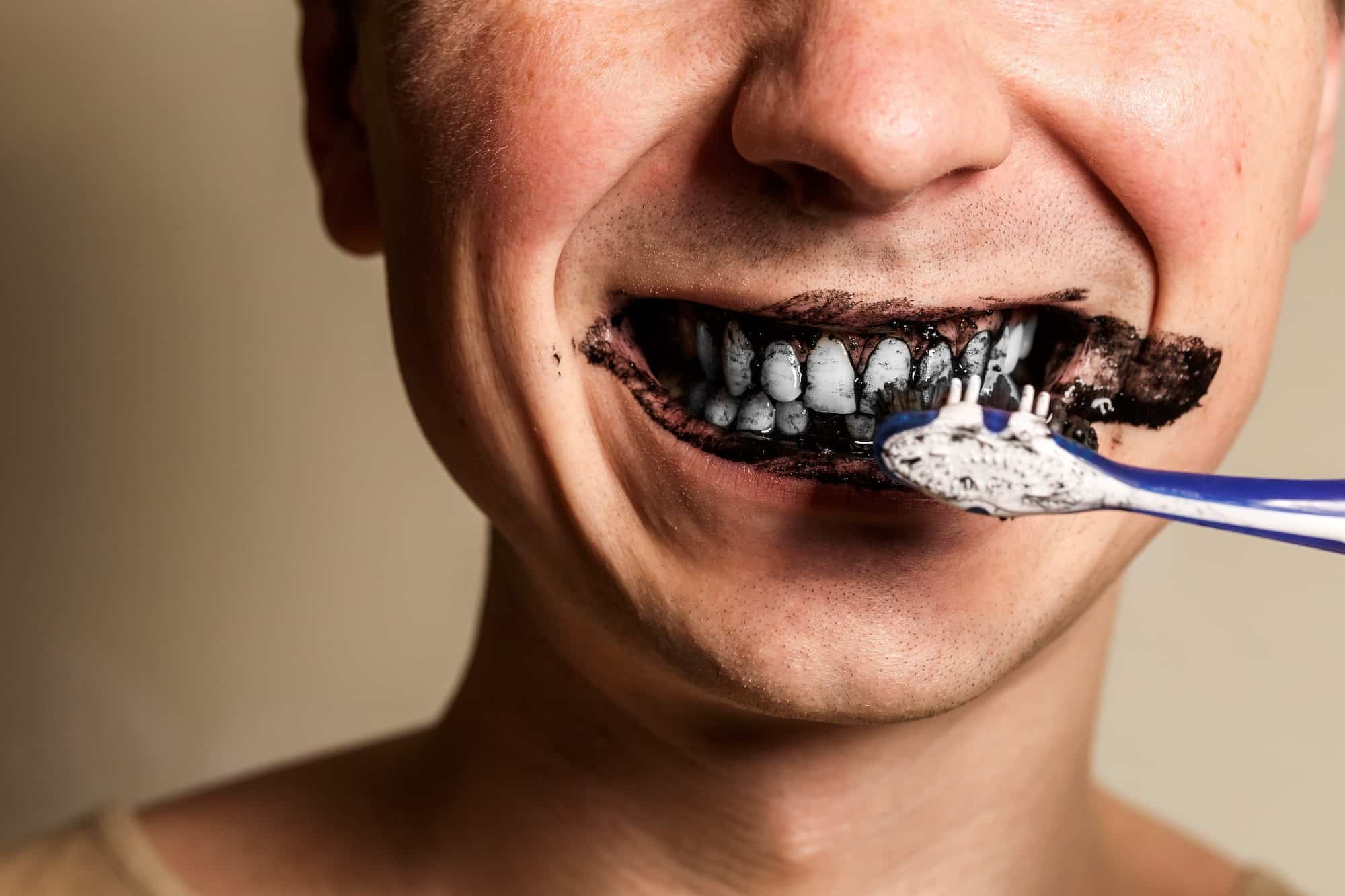
Using charcoal toothpaste for whitening has become popular, but there are several reasons why it may not be the best choice for your dental health:
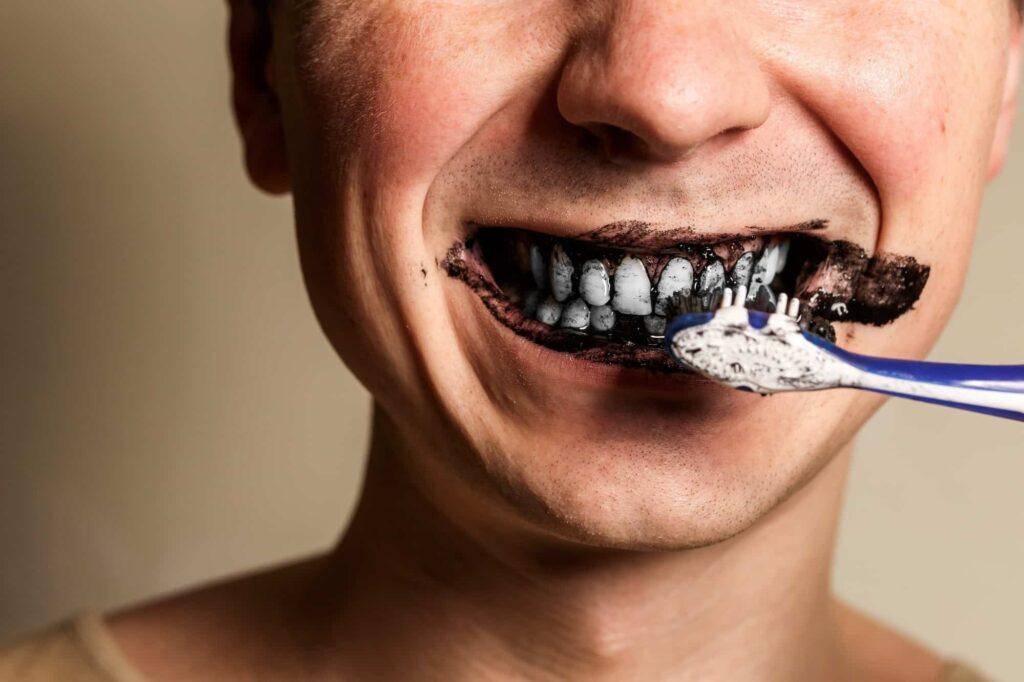
1. Enamel Erosion
- Abrasiveness: Charcoal toothpaste is typically more abrasive than standard toothpaste. While this abrasiveness can help remove surface stains, it can also wear down your enamel, the protective outer layer of your teeth. Enamel erosion is irreversible and can lead to increased tooth sensitivity, a duller appearance of teeth, and a higher risk of cavities.
2. Gum Damage
- Irritation: The abrasive nature of charcoal toothpaste can irritate your gums, potentially leading to inflammation, recession, and discomfort. Over time, this can cause damage to the soft tissues in your mouth, which may require treatment.
3. Limited Whitening Effect
- Surface Stains Only: Charcoal toothpaste primarily works by removing surface stains on the teeth. It does not penetrate deeper into the enamel to remove intrinsic stains, which means it won’t actually change the natural colour of your teeth. The whitening effect is often minimal and temporary.
4. Potential for Staining
- Residue: Some users report that charcoal toothpaste can leave a black or grey residue on the teeth or in between them, which can be difficult to remove. This can lead to the opposite of the desired whitening effect, making your teeth appear darker or unevenly coloured.
5. Lack of Fluoride
- Cavity Protection: Many charcoal toothpastes do not contain fluoride, an essential ingredient for preventing cavities and strengthening enamel. Regular use of a fluoride-free toothpaste can increase your risk of tooth decay, especially if you’re not supplementing with fluoride from other sources.
6. Incomplete Scientific Evidence
- Limited Research: There is limited scientific evidence supporting the long-term safety and effectiveness of charcoal toothpaste. Most of the claims are based on anecdotal evidence, and more research is needed to fully understand its impact on dental health.
7. Potential to Worsen Dental Issues
- Exacerbating Problems: If you already have sensitive teeth, thin enamel, or gum issues, using an abrasive product like charcoal toothpaste could worsen these conditions. It’s important to choose a whitening method that is gentle on your teeth and gums, particularly if you have pre-existing dental concerns.
8. Better Alternatives Available
- Safer Whitening Options: There are many proven and safer alternatives for teeth whitening, such as whitening toothpastes that are less abrasive, over-the-counter whitening strips, or professional treatments offered by your dentist. These options are designed to be both effective and gentle on your teeth.
Conclusion
While charcoal toothpaste might offer a temporary improvement in the appearance of surface stains, the risks associated with its abrasive nature and the potential for enamel and gum damage make it a less desirable option for teeth whitening. Opting for safer, more effective methods recommended by dental professionals is a better approach to achieving and maintaining a bright, healthy smile.
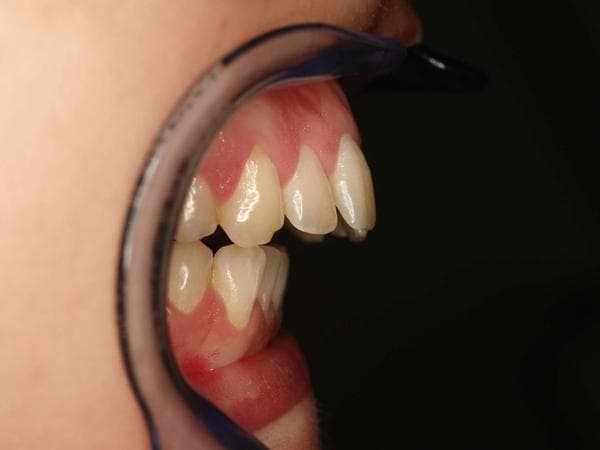
What is dental protrusion and how to fix it?
Recommended For You

Happy Easter from Broadbeach Orthodontics: Tips to Avoid Breakages
Easter is a time to relax, celebrate with family, and enjoy a few treats. At Broadbeach Orthodontics, we…

Start Your New Summer Smile in 2026 with Broadbeach Orthodontics
A confident smile can make a powerful difference — not only in the way you look, but also…
Can broken braces extend treatment time?
When you’re looking forward to getting your braces off, every appointment and adjustment feels like a step closer…