
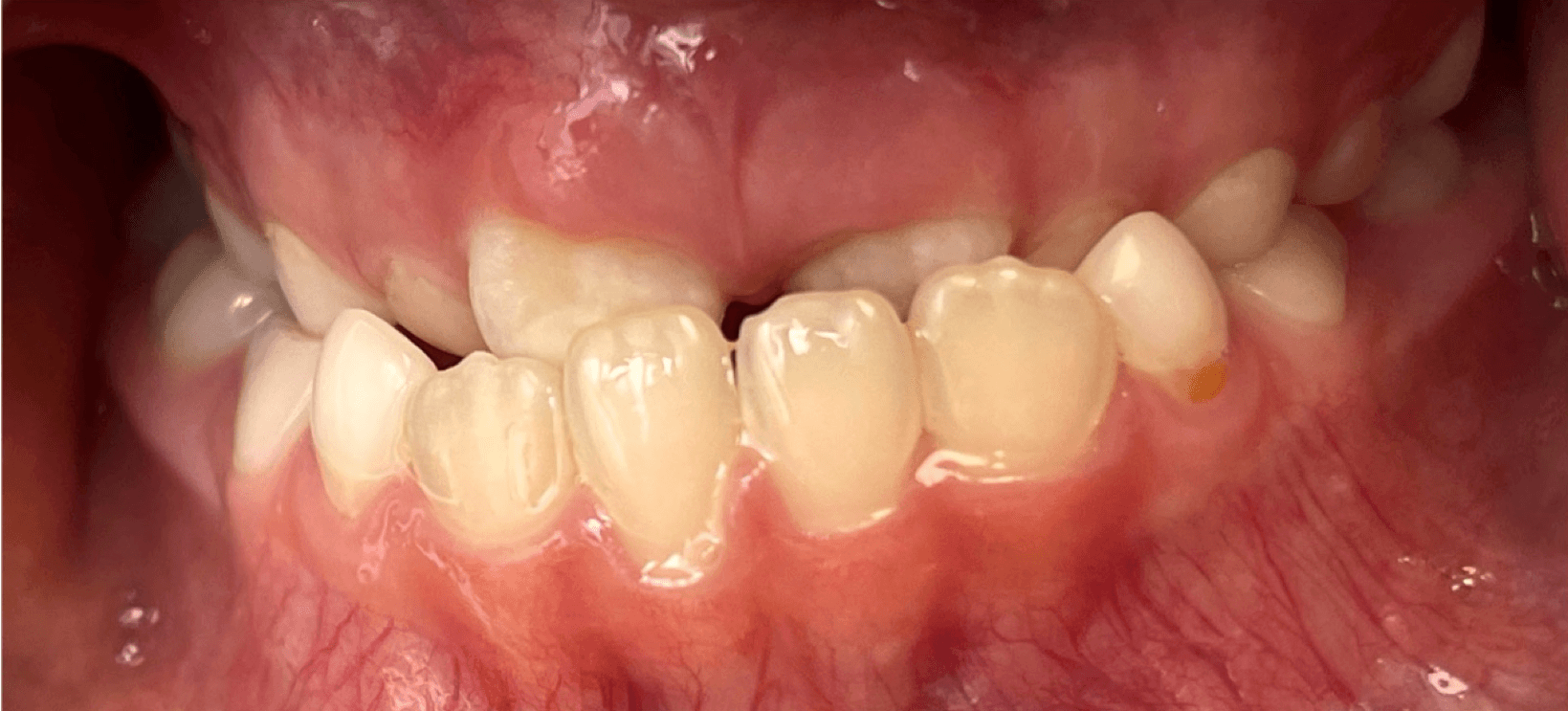
When it comes to orthodontics, timing can play a critical role—especially for children with a Class III malocclusion, commonly known as an underbite. Early Class III treatment focuses on guiding jaw growth while a child is still developing, helping to prevent more complex problems later in life.
At Broadbeach Orthodontics, early assessment and intervention are key parts of delivering effective, long-term outcomes for growing patients.
What Is Class III Malocclusion?
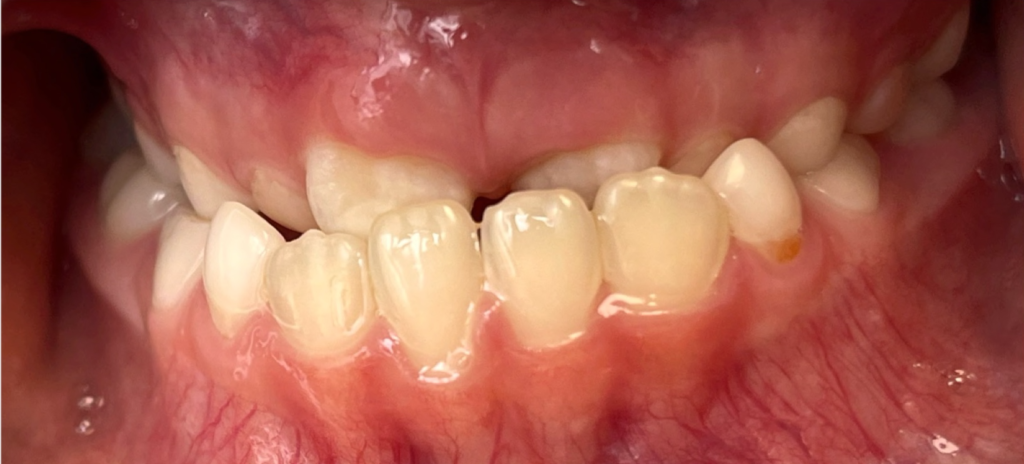
Class III malocclusion occurs when the lower jaw sits too far forward relative to the upper jaw. This can result in:
- An underbite appearance
- Difficulty chewing or biting
- Speech challenges
- Uneven tooth wear
- Increased strain on the jaw joints
In many cases, the issue is skeletal rather than purely dental, meaning it relates to how the jaws grow and develop.
Why Early Treatment Is Important
Unlike some orthodontic concerns that can be addressed in the teenage years, Class III cases often benefit from early intervention, typically between ages 7 and 10.
At this stage of growth, orthodontic treatment can:
- Encourage forward development of the upper jaw
- Improve jaw alignment
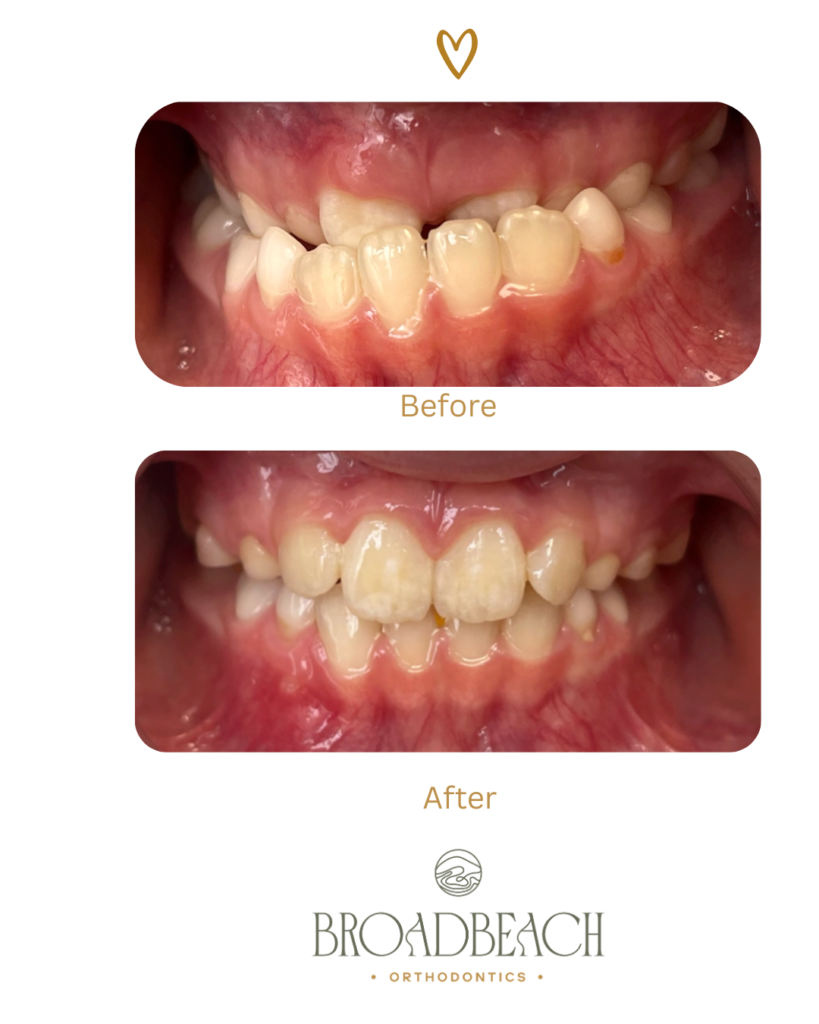
- Reduce the severity of the underbite
- Potentially minimise the need for surgical treatment later in life
This approach is often referred to as interceptive orthodontics because it addresses the problem before it becomes more severe.
How a Protraction Facemask Works
A protraction facemask, sometimes called reverse-pull headgear, is a commonly used appliance in early Class III treatment.
It works by applying gentle forward pressure to the upper jaw using elastics attached to the teeth. In many cases, it is used in combination with a palatal expander to prepare the upper jaw for correction.
For optimal results, a protraction facemask is typically worn for 10 to 14 hours per day, usually after school and overnight. Consistent wear is essential, as treatment effectiveness depends heavily on patient compliance.
Benefits of Early Class III Treatment
Early intervention offers several long-term advantages:
Guides natural growth
Treatment works with a child’s growth rather than attempting to correct fully developed structures later.
Reduces future treatment complexity
Early correction can simplify or shorten orthodontic treatment in adolescence.
May reduce the need for surgery
In some cases, early treatment can lessen the likelihood of requiring orthognathic surgery in adulthood.
Improves function and aesthetics
Better bite alignment supports normal chewing, speech, and facial balance.
Does Every Child Need Early Treatment?
Not all children with a developing Class III pattern require immediate treatment. Some cases may only need monitoring over time.
At Broadbeach Orthodontics, we recommend an orthodontic evaluation around age 7 to:
- Assess jaw growth patterns
- Identify early signs of Class III development
- Determine whether treatment or observation is the best approach
Book an Early Orthodontic Assessment
Early Class III orthodontic treatment is not just about straightening teeth—it is about guiding jaw development during a critical period of growth.
With appropriate timing and consistent use of appliances such as a protraction facemask worn for 10 to 14 hours per day, meaningful improvements can be achieved. This early approach can lead to more stable outcomes and reduce the need for complex treatment later in life.
If you have concerns about your child’s bite or jaw development, the team at Broadbeach Orthodontics is here to help guide you through the next steps with expert advice and personalised care.

Why Choose a Specialist Orthodontist on the Gold Coast?
Recommended For You

Will Your Child Need Braces? 5 Early Signs you Shouldn’t Ignore
Every parent wants the best for their child — and a confident, healthy smile plays a big role…
Why do I need Separators for a Palatal Expander
If your child is getting a palatal expander, you may hear us mention separators—tiny but important spacers that…

The game-changing benefits of Angel Align
Orthodontics is constantly evolving, bringing new advancements that enhance patient care, improve treatment outcomes, and create a more…